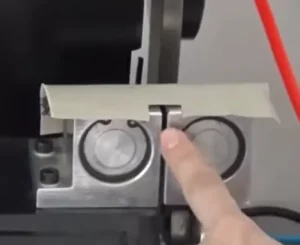
Elmendorf Pendulum

How to Select an Elmendorf Pendulum: A Practical Guide to Tear Force Range

We are going to learn how to select the correct Elmendorf pendulum for fabric tear testing, compare the 16N, 32N, 64N, 128N, and 300N ranges, identify out-of-range results, follow the preliminary testing steps, and recognise unsuitable materials and invalid tears to ensure reliable and repeatable lab measurements. How Do You Select the Correct Elmendorf Pendulum?
Read More »
ASTM D737

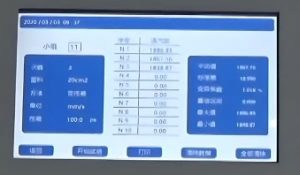
ASTM D737: Practical Tips on Air Permeability of Textile Fabrics Test Method

We are going to learn how to perform the ASTM D737 test on fabrics using the most advanced Darong YG(B)461G tester, and we will understand its requirements, including testing conditions, pressure differential, test area, nozzle selection, reporting units, unit conversion, edge leakage, abnormal results, and troubleshooting, with practical lab guidance and a real-test case study

Read More »
Major Measurements of Xenon Arc Light Fastness Testing

ASTM D6695 Xenon Arc Light Fastness Testing

The ASTM D6695 standard measures the effectiveness of various painted and coated materials under controlled environmental conditions. Accurate Xenon Arc light fastness results mainly depend on control of irradiance, Stable BST, adherence to human testing regulations, correct sample preparation, and regular calibration of the testing chamber. Major Measurements of Xenon Arc Light Fastness Testing How Does Xenon Arc

Read More »
Desizing process in textile

Desizing Process in Textile: Types, Chemicals, Methods and Quality Control

We will explore the complete desizing process in textile manufacturing, including the purpose of removing sizing agents, types, chemicals used, methods, and quality control. We will learn how effective desizing removes warp size, improves fabric absorbency, and prepares textiles for scouring, bleaching, dyeing, and other processing. What Is Desizing Process in Textile? Desizing is the

Read More »
Sizing Process in textile

Sizing Process in Textile: Purpose, Process Steps, Materials, Defects and Quality Control

Let’s explore the complete sizing process in textile, including its purpose, materials, steps, common defects, troubleshooting, and quality control. Learning the practical insights and best practices to improve the efficiency of weaving, reduce warp yarn breakage, and achieve consistent fabric quality through effective sizing and textile testing. Introduction Have you even wondered how some weaving

Read More »
AATCC 16.3 Xenon Arc Light Fastness Testing

AATCC 16.3 Xenon Arc Light Fastness Testing

The accurate AATCC 16.3 light fastness results mainly depend on control of irradiance, Stable BST, human testing regulations, correct sample preparation, and regular calibration of the testing chamber. The water-cooled xenon arc chamber improves testing accuracy and consistency because it is stable to the environment, has a high level of automation, and provides consistent exposure.

Read More »
Yarn Evenness

Yarn Evenness Explained: Understanding thick Places, Thin Places and Neps

As a textile lab manager for over 30 years, I will share my expertise with you on how yarn evenness influences fabric quality by understanding CV%, U%, thick places, thin places and neps. In this practical guide, I will explain their causes, effects and preventions while showing how Darong Yarn Evenness Testers help textile manufacturers

Read More »
Yarn Count Strength Product

Yarn Count Strength Product (Yarn CSP)

While working in textile universe, I found that the understanding of yarn count, yarn strength and Yarn Count Strength Product (CSP) is very important for producing high quality yarn and this guide, we will understand the fundamental, testing methods and practical insights which help manufacturers to improve the spinning performance, ensure consistent quality and make

Read More »
fiber maturity

Fiber Maturity and Its Effects on Yarn Quality

Fiber Maturity is one of the most important properties influencing spinning performance and yarn quality. It affects fiber strength, dye molecule absorption, yarn uniformity and the overall quality of the finished textile product. By understanding fiber maturity, textile manufacturers can select suitable raw materials, reduce production defects and improve manufacturing efficiency. Definition of Fiber Maturity

Read More »
Smart Textile Fabric

Understanding Smart Textile Fabrics

What is Smart Textile Fabric? Smart textile fabrics, also known as e-textiles or electronic textiles, combine traditional fabrics with electronic elements like actuators, sensors, and conductive fibers, enabling them to react, sense, and adapt to external stimuli. With the help of these fabrics, we can measure temperature, motion, moisture, or even display patterns in response to touch. There

Read More »
Scroll to Top

ASK FOR A QUOTE

We will contact you in one working day. Please pay attention to the email with suffix @darongtester.com