


All About Fabric Elmendorf Tear Test
Tear strength is one of the most important mechanical properties, as it helps determine how well a fabric resists the propagation of an existing tear, and the Elmendorf tear test measures the force required to continue testing a pre-cut test specimen using a falling pendulum. This method is widely used in textile labs. For a

How to Test Fabric Tear Strength: Comparing Different Tear Testing Methods
Fabric tear strength is an important physical property used to evaluate the performance and durability of textile materials, and different testing methods measure the force required to propagate a tear under specified conditions. The right test method depends on the fabric’s properties, including construction, material type, and customer requirements. In this article, we compare four

AATCC 127 Hydrostatic Pressure Head Test
In this blog, we will learn how to perform the AATCC 127 hydrostatic pressure test, understand testing parameters, specimen preparation, pressure increasing rate, leakage criteria and hydrostatic head results using the most advance Darong YG(B)812Q tester. Introduction to AATCC 127 This testing standard evaluates a textile material’s resistance to water penetration under gradually increasing hydrostatic

Air Permeability of Fabric: Why It Matters, What Affects It, and How It Is Tested
We will learn about air permeability, also called fabric breathability; its importance; the factors that affect airflow through textiles; relevant lab testing methods; international testing standards; and practical tips for improving the comfort, breathability, and performance of the fabric. Introduction to Air Permeability Air permeability is one of the most important physical properties used to

Temperature and Humidity Required for AATCC Testing
We will explore how conditioning test specimens ensures accurate, reliable results; the temperature and humidity requirements for AATCC testing; and common laboratory mistakes, including how the most advanced conditioning chamber helps maintain controlled environmental conditions for accurate, reproducible textile testing. Which Humidity and Temperature Standard is Recommended by AATCC? This ASTM D1776 testing standard provides

Insights and Experience on ISO 9237 Fabric Air Permeability Test
We are going to learn how to perform an ISO 9237 fabric air permeability test, select the testing area and pressure differential, avoid invalid results, and report the testing data correctly. ISO 9237 is a specified testing standard for measuring the rate of air passing perpendicularly through a defined area of the fabric under a
Testing Equipment and Methods to Test Yarn Linear Density ASTM D1907 or D1907 M 12
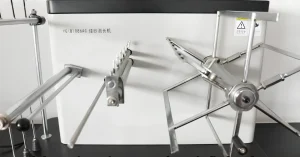
ASTM D 1907 yarn linear density testing depends on selecting the right testing option, which depends on the customer’s scouring and conditioning requirements. Sample conditioning, reeling tension, skein length, calibrated weighing, and final calculations are the main steps for getting the right results. How to Select a Suitable ASTM D1907 Test Method? The testing options
How to Select an Elmendorf Pendulum: A Practical Guide to Tear Force Range
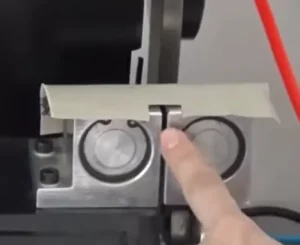
We are going to learn how to select the correct Elmendorf pendulum for fabric tear testing, compare the 16N, 32N, 64N, 128N, and 300N ranges, identify out-of-range results, follow the preliminary testing steps, and recognise unsuitable materials and invalid tears to ensure reliable and repeatable lab measurements. How Do You Select the Correct Elmendorf Pendulum?